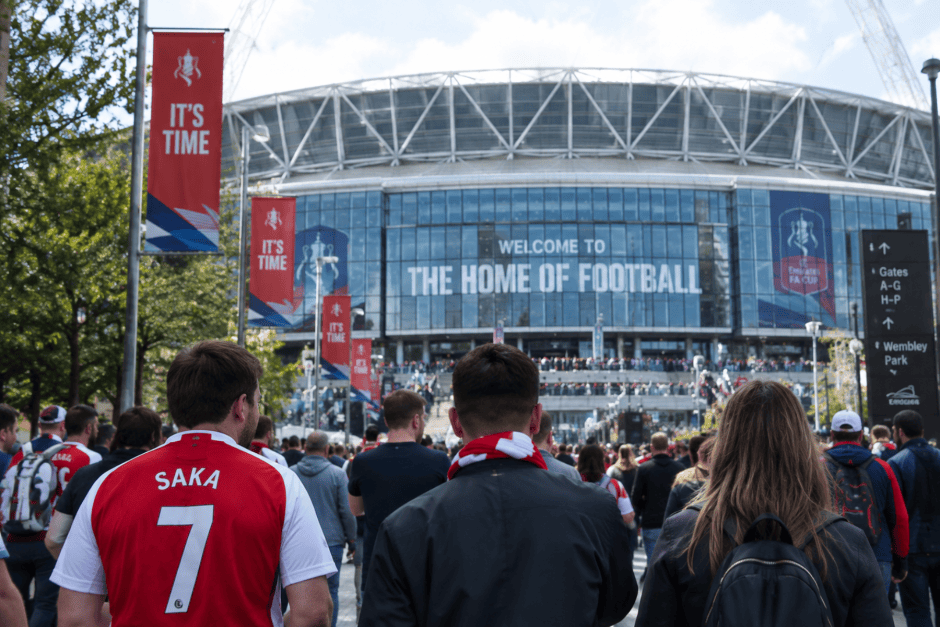
A football weekend in England can be one of the most memorable ways to experience the country. The match itself may last less than two hours, but the atmosphere begins much earlier, with supporters travelling into the city, gathering around pubs, walking towards the stadium and turning entire neighbourhoods into part of the occasion. For international visitors, however, a successful trip depends on more than simply choosing a club and arriving on matchday. We need to understand ticketing, transport, stadium access and the practical details that can make the difference between a smooth experience and a stressful one.
Choosing the right match and city for the trip
England offers far more variety than many first-time visitors expect. London alone has several major clubs, while Manchester, Liverpool, Newcastle, Birmingham and other cities can each offer a completely different football culture. The best choice is not always the biggest fixture. High-profile matches may be harder to access, more expensive and surrounded by greater demand for accommodation and transport.
We should therefore look at the entire weekend rather than only the match. A Saturday afternoon fixture may fit easily into a city break, whereas an evening kick-off can affect the return journey and hotel arrangements. Television scheduling can also change kick-off times, so flexibility is important when booking trains or flights too far in advance.
Understanding tickets before making travel plans
Premier League ticketing can be unfamiliar to overseas visitors because many clubs give priority to members, season-ticket holders and supporters with an established purchasing history. General sale is not guaranteed for every fixture, particularly when demand is high.
First-time visitors to England usually ask how to get into a Premier League ground before anything else on the itinerary. The practical answer is to research ticket availability before committing to non-refundable travel arrangements and to check exactly what type of admission is being purchased. Depending on the fixture, options may include standard seating, hospitality packages or other authorised routes to attendance.
We should also confirm the stadium, date and kick-off time carefully. Some clubs have similar naming conventions for stands, hospitality areas or entrances, and knowing the precise section in advance can save considerable time on matchday.
Arriving at the stadium without unnecessary stress
Most English football grounds are well connected by public transport, but matchday journeys often take longer than normal. Trains, trams and underground services become busy, while roads surrounding the stadium may be restricted or congested.
We recommend arriving in the area well before kick-off. This gives us time to find the correct entrance, complete any required security checks and experience the atmosphere outside the ground. Large stadiums can have numerous turnstiles and access points, and approaching from the wrong side may add a significant walk.
Digital tickets are increasingly common, so keeping a charged phone is essential. Where a mobile ticket or QR code is required, we should ensure it is accessible before joining the queue rather than relying on a weak mobile signal immediately outside the stadium.
What to expect from security and stadium rules
Football grounds operate strict entry procedures. Bags may be restricted in size, and prohibited items vary between clubs. We should check the home club’s official guidance before travelling, particularly if we plan to bring a backpack, camera equipment or anything that may require additional inspection.
Supporters are normally separated according to the ticketed area, and visitors should enter only through the designated turnstiles. Once inside, finding the correct block and seat is generally straightforward, with stewards positioned throughout the stadium to assist.
Making the match part of a wider city break
A football weekend works best when the match is treated as one element of the trip rather than the entire itinerary. Manchester can combine football with its industrial heritage and music culture, Liverpool offers the waterfront and historic city centre, while London allows us to pair a match with museums, markets and neighbourhoods that are easily reached by public transport.
We should also leave some flexibility after the game. Transport hubs become particularly crowded immediately after the final whistle, and waiting thirty or forty minutes before starting a long journey can sometimes make the evening considerably easier.
Preparing properly for a first Premier League experience
The most important part of planning is sequencing the trip correctly: secure a realistic route to attendance, confirm fixture details, arrange flexible transport and arrive early enough to enjoy the occasion. The atmosphere inside an English football ground is only part of the experience; the journey through the city, the pre-match build-up and the supporters around the stadium are just as memorable.
With a little preparation, we can avoid the most common mistakes and turn a football match into the centrepiece of a well-organised weekend in England.
Discover more from Travel Vixta
Subscribe to get the latest posts sent to your email.