
13 days.
1982 miles.
48 hours of driving.
42 hours on a ferry.
5 beautiful locations.
We recently returned from a UK to Spain and Portugal road trip, travelling by ferry with our own car and staying in a mix of coastal and rural locations.
One of the biggest questions when planning a trip like this is simple: how much does it actually cost?
So here’s our full, honest breakdown.
This isn’t a stripped-back budget or a luxury getaway. It’s what we really spent as a family of four, balancing comfort, convenience and cost while travelling and working remotely.
This UK to Spain and Portugal family road trip cost breakdown includes ferry, accommodation, food, fuel and tolls over 13 days.
Our total trip cost
We spent £4,561 in total for our 13-day road trip.
That works out at £1,140 per person.
Full trip cost breakdown
- Ferry: £1,597
- Accommodation: £1,703
- Fuel: £239
- Tolls: £101
- Food: £921
Total: £4,561
Cost per person: £1,140
Ferry costs
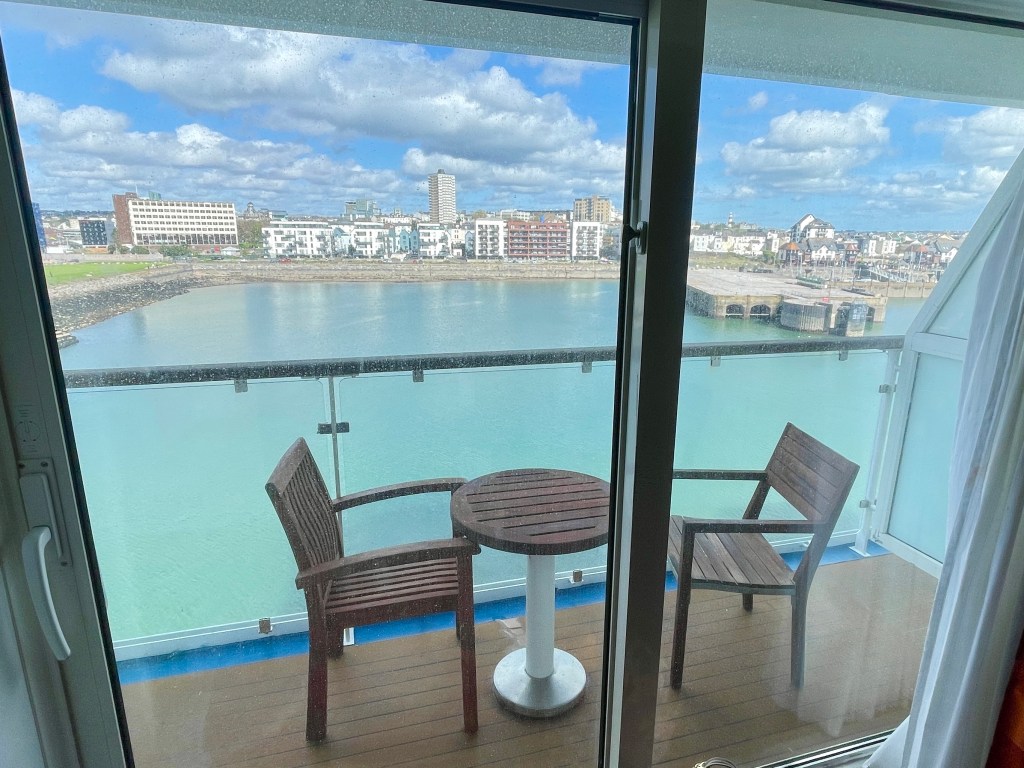
The ferry was one of the biggest expenses of the trip.
We paid £1,597 for a return crossing between Plymouth and Santander, travelling on the Pont-Aven.
On the way out, we booked a Commodore suite, and on the way back, a 4-berth deluxe cabin.
We treated this as a bit of a one-time experience. Instead of going for the cheapest option, we decided to try two of the better cabins to see what they were like.
(Check out the differences in my Pont Aven Commodore vs Deluxe Cabin article).
On this route, you can’t just book a seat, as it’s an overnight ferry, so a cabin is required anyway. However, there is still a wide range of options, and you could reduce the cost by choosing a more basic cabin.
Even so, after doing it, we’d prefer to choose to fly next time instead of the overnight ferry, and hire a car if staying in the same country. It’s much quicker, and in our experience, flights and car hire have often worked out cheaper overall.
Ferry cost breakdown
Here’s how our £1,597 ferry cost was made up for a family of four with a car:
Outbound (Plymouth to Santander)
Passengers: £108
Car: £336
Commodore cabin: £351
Priority disembarkation: £15
Return (Santander to Plymouth)
Passengers: £108
Car: £362
Deluxe cabin: £297
Other charges
Amendment fee: £20
We originally booked a 5/6 hour ferry back from Roscoff in France, hoping to stop in France, but realised we’d just have so much driving. We’d have spent an entire day driving, or two, and wouldn’t be able to stop anywhere really, because the kids needed to go back to school, so we couldn’t lengthen the trip. So we changed to the overnight ferry for the journey back too.
Total: £1,597

Accommodation costs
We spent £1,703 on accommodation across the trip.
We stayed in a mix of private self-catering apartments, as well as a holiday townhouse at NAU Salema Beach Village.
Our stays included:
We specifically chose self-catering accommodation for flexibility, especially as we also have to work remotely on weekdays.
For us, space and comfort are really important.
Travelling with a boy and a girl, a preteen and a teenager, we need separate beds for the kids, as well as a proper bed for ourselves. Ideally, we also like a bit of separation so everyone has their own space to relax.
We’ve done very budget travel in the past, and not always had the best experiences.
We’ve stayed in places with holes punched in the walls, damp and musty rooms, unreliable electrics where you could only run one appliance at a time, and even had other guests accidentally walk into our room in the middle of the night after being given the wrong key!
We’ve also had uncomfortable sofa beds that dip in the middle and leave you waking up with a sore back, and rooms where the bathroom is fully open to the space, which isn’t ideal for family travel.
Oh, and sofas that were filthy and belonged in a skip, to a flying ant infestation with hundreds of ants in the kids’ bedroom and the owner was unwilling to do anything.
Believe me, we have had many budget-friendly travel experiences, and not always the best experience, as you can tell.
After those experiences, we now prefer to book nicer, more reliable accommodation so we can actually relax and enjoy the trip!
Now, we’d rather spend a bit more when we can afford to, or wait until we can travel comfortably. Especially as we still work when we travel, so we spend a lot of time, especially the evenings, at our accommodation.
Not that all budget-friendly accommodation is bad. And, if you’re happy with simpler or more basic places, and taking a risk for the cheapest of the cheapest(!), then this is definitely an area where you could spend less.
Fuel costs
Fuel for the full trip came to £239.
For nearly 2,000 miles of driving, this was lower than we expected.
Most of our journey involved long, steady driving along motorways rather than short stop-start trips, which helped with fuel efficiency. Fuel prices in Spain and Portugal were also slightly lower than in the UK.
We do have a fuel-efficient vehicle.
Compared to the ferry and accommodation, fuel was actually one of the smaller parts of the overall budget.
Toll costs
Tolls totalled £101 across the UK, Spain and Portugal.
Portugal made up the majority of this, with multiple toll charges adding up throughout the trip.
Once you choose this kind of route, tolls are a fairly fixed cost, although you may be able to reduce them slightly by avoiding certain roads.
Food and daily spending
We spent £921 on food and general daily expenses.
That works out at around £18 per person, per day.
At first glance, the total might seem quite high. But when you break it down, it actually feels very reasonable for a 13-day trip.
If we’d eaten out each day, the cost would have been considerably higher for a family of four across two weeks.
What we actually spent money on
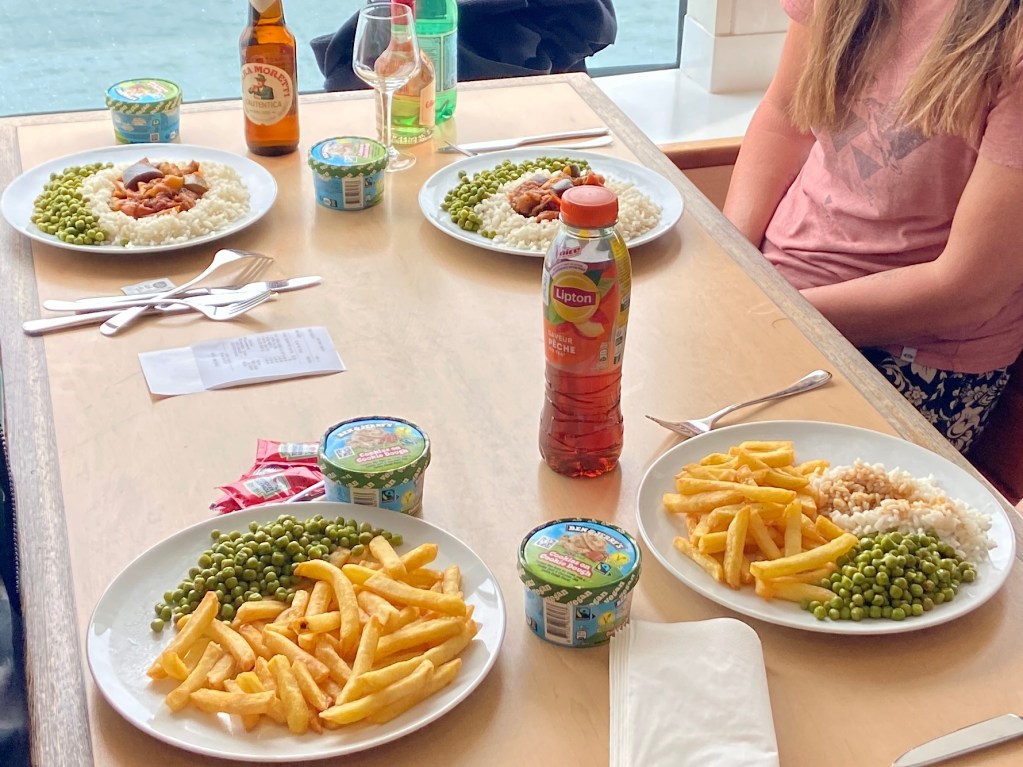
We didn’t book any paid activities on this trip, so all of our daily spending went on food, and drinks.
We started by spending £239 in the UK on food, water and travel snacks to take with us.
This included ready meal packs, rice, pasta and easy options we could quickly prepare in our accommodation.
While away, we topped up with fresh fruit and vegetables from supermarkets, rather than eating out regularly.
We also chose convenience quite often.
On long driving days, we picked up snacks, drinks and takeaways from service stations, which are always more expensive but made the journey easier.
We stocked up on ready-to-eat snacks like Nakd bars, dried fruit, nuts and plenty of kids’ snacks such as Bear YoYos. These sorts of foods aren’t the cheapest options, but they were practical and saved time.
Food needs were also quite high.
With a growing teen and pre-teen, we were effectively covering three meals a day for the kids, plus snacks, drinks throughout the day and usually supper too! They both seem to be having growth spurts and fast metabolisms, so they eat way more than me and my husband at the moment!
We also made space for a few treats.
This included a restaurant meal in Salema, a takeaway with family, and a sit-down meal on the ferry on the way home.
Because we were working remotely during the trip, cooking simple meals in our accommodation just made more sense. It saved time, reduced stress and helped us stay within our overall holiday spending budget of around £1,200 which had to cover food, tolls and fuel.
If we had eaten out regularly in restaurants and cafés, the cost would have been significantly higher.
So while this wasn’t the absolute cheapest way to do it, it felt like a really good balance between convenience, enjoyment and keeping costs under control.
Where you could spend less (and where you probably won’t)
This trip could absolutely be done for less.
We didn’t aim for the cheapest possible version. Instead, we focused on making the trip comfortable and practical.
Ferry
We chose higher-end cabins, which increased the cost.
You could reduce this by choosing a more basic cabin, although one is required on this overnight route.
That said, even after trying the better cabins, we’d still fly next time and hire a car for a quicker and often cheaper option.
We also chose priority disembrkation on the ferry which was only £15, but could be skipped to cut costs.
Accommodation
We chose nicer, more spacious accommodation to avoid the issues we’ve experienced on past budget trips.
If you’re willing to compromise on space, comfort or location, this is one of the biggest areas where you could save money.
Food
We spent around £18 per person per day, including convenience food, snacks and some meals out.
You could reduce this by cooking more from scratch and avoiding takeaways and service station stops.
Was it worth it?
For us, yes.
This wasn’t about doing the trip as cheaply as possible. It was about making it enjoyable and manageable as a family, especially while working remotely.
We spent more in areas that made the trip easier and more comfortable, and kept things simple in others.
The biggest costs were the ferry and accommodation, while fuel and food were more manageable than expected.
The reality
We’ve done ultra-budget travel before, and while it made trips possible at the time, it didn’t always make them enjoyable.
At this stage, we’d rather spend a bit more to avoid uncomfortable accommodation, poor sleep and unnecessary stress.
So this trip wasn’t about doing things as cheaply as possible.
It was about finding a balance between cost, comfort and practicality, and that’s what made it work for us.
Final thoughts
For a similar 13-day UK to Spain and Portugal family road trip itinerary, expect to spend around £1,100 per person, depending on your travel style and choices.
You could do it cheaper, or you could spend more, depending on your choices.
For us, this felt like a good balance.
And if we were to do it again, we’d definitely change one thing.
We’d skip the ferry and fly or take the Eurotunnel instead!
Discover more from Travel Vixta
Subscribe to get the latest posts sent to your email.