If you’re planning a European road trip with kids, one of the first questions you’ll probably ask is how much it’s actually going to cost.
The answer varies more than you might think.
Our own family road trips have ranged from around £1,400 to more than £4,500 for a family of four. The difference wasn’t just down to inflation. The destinations, accommodation choices, transport decisions and length of the trip all played a major role.
Rather than relying on generic estimates, this guide uses real spending from our own European road trips to help you build a realistic budget for your family’s adventure.
Our 2019 European Road Trip Cost Around £1,400
Back in 2019, we packed up the car and set off on an eight-day road trip through the Netherlands, Germany and Belgium.
We covered around 1,700 miles, visited multiple cities and attractions, and enjoyed the freedom that comes with having your own transport while travelling.
The total cost came to approximately £1,400 for our family of four.
Even by today’s standards, that’s a surprisingly affordable way to experience several European countries in a single holiday.
Of course, some costs have increased since then. Fuel, accommodation and food are generally more expensive now than they were in 2019. But this trip shows that a European road trip doesn’t have to break the bank if you’re happy to keep things relatively simple and make sensible choices along the way.
Our 2026 Spain and Portugal Road Trip Cost £4,561
Our most recent European road trip looked very different.
In 2026, we spent 13 days exploring Spain and Portugal, covering 1,982 miles and visiting a mix of cities, coastal destinations and family attractions.
The total cost came to £4,561.
Here’s how the spending broke down:
| Category | Cost |
|---|---|
| Ferry | £1,597 |
| Accommodation | £1,703 |
| Food & Drinks | £921 |
| Fuel | £239 |
| Tolls | £101 |
| Total | £4,561 |
Looking at the figures afterwards, the biggest surprise was how little fuel contributed compared to some of the other expenses.
Accommodation and transport choices had a much bigger impact on the overall budget.
Why The 2026 Trip Cost More Than Three Times As Much
At first glance, it seems surprising that one trip cost around £1,400 while another exceeded £4,500.
But there were several important differences.
First, the Spain and Portugal trip lasted nearly a week longer.
Second, we generally stayed in more comfortable accommodation throughout the journey.
And then there was the ferry.
At £1,597, the ferry crossing was the largest single expense of the entire trip. While it reduced the amount of driving required through France and allowed us to arrive directly in northern Spain, it also significantly increased the overall holiday budget.
In fact, the ferry alone cost more than our entire 2019 European road trip.
This is a useful reminder that fuel often isn’t the biggest cost when planning a European road trip. Accommodation and major transport decisions can have a much greater impact on your final spending.
How Much Does a European Road Trip with Kids Cost?
Based on our own experiences, a realistic budget for a European road trip with kids is somewhere between £1,500 and £5,000+ for a family of four.
A shorter trip using budget accommodation and driving through mainland Europe could fall towards the lower end of that range.
A longer holiday with hotel stays, ferry crossings, paid attractions and frequent restaurant meals can easily exceed £4,500.
The biggest factors affecting your budget include:
- Length of the trip
- Accommodation choices
- Ferry crossings and transport costs
- Food and dining habits
- Activities and attractions
- Number of countries visited
Many first-time road trippers focus heavily on fuel costs, but our own trips showed that accommodation and transport choices often have a far bigger impact on the overall budget.
Travel Money for a European Road Trip
One thing we’ve learned over multiple European road trips is that carrying a small amount of cash is still useful.
Most supermarkets, hotels, restaurants and fuel stations accept cards without any issues. However, we still encountered situations where cash made life easier, especially for parking machines, local markets and smaller independent businesses.
If you prefer to take some physical euros with you, it’s worth comparing exchange rates before travelling. One option is Travel FX, where you can buy euros online UK delivery and arrange to have your travel money delivered before you leave the UK.
Even if you mainly rely on a fee-free travel card, having a small amount of cash available can provide extra peace of mind during your trip.
Don’t Forget About Tolls
Toll roads are another cost that can catch families by surprise.
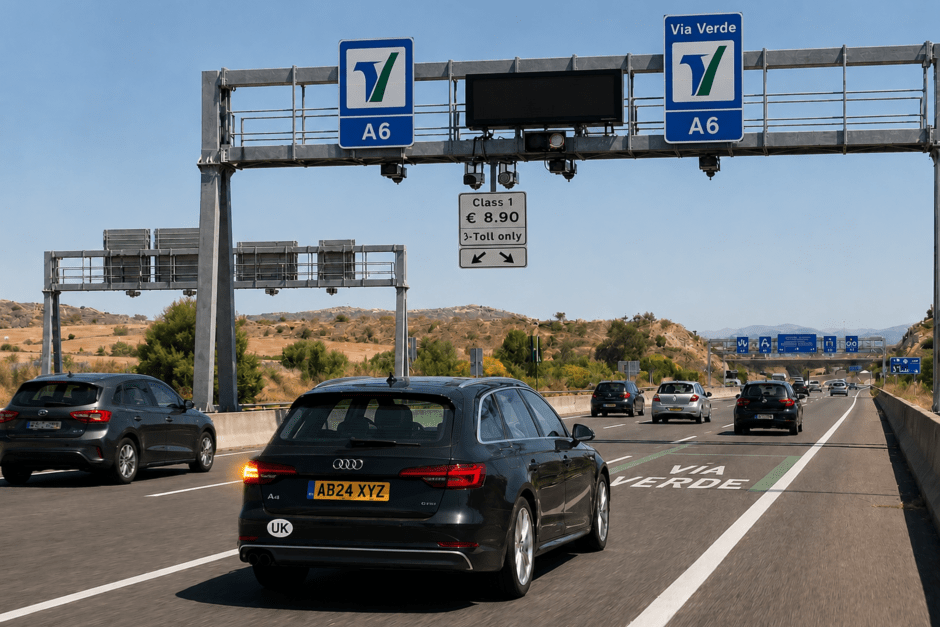
During our Spain and Portugal road trip, tolls added £101 to the overall budget.
The systems vary between countries, and some routes have significantly more toll roads than others. Before setting off, it’s worth researching your planned route so there are no unexpected surprises along the way.
While avoiding toll roads can save money, it often increases driving time considerably. Whether they’re worth paying depends on your budget, schedule and travel style.
Is A European Road Trip Worth The Cost?
For us, absolutely.
Although our two road trips had very different budgets, both delivered something that package holidays often struggle to offer: flexibility.
We could stop when we wanted, change plans at the last minute, explore places that weren’t on any itinerary and travel at our own pace.
Some of our favourite memories came from unplanned detours, unexpected viewpoints and discovering places we would never have visited if we’d been tied to a fixed schedule.
That’s the real value of a European road trip with kids.
Whether you spend £1,500 or £5,000, you’re not just paying for transport and accommodation. You’re creating an adventure where the journey itself becomes part of the holiday.
A European road trip with kids can cost anywhere from around £1,500 to over £5,000 for a family of four. The biggest factors are accommodation, transport choices, trip length and food spending, while fuel often makes up a smaller part of the overall budget than many travellers expect.
Discover more from Travel Vixta
Subscribe to get the latest posts sent to your email.