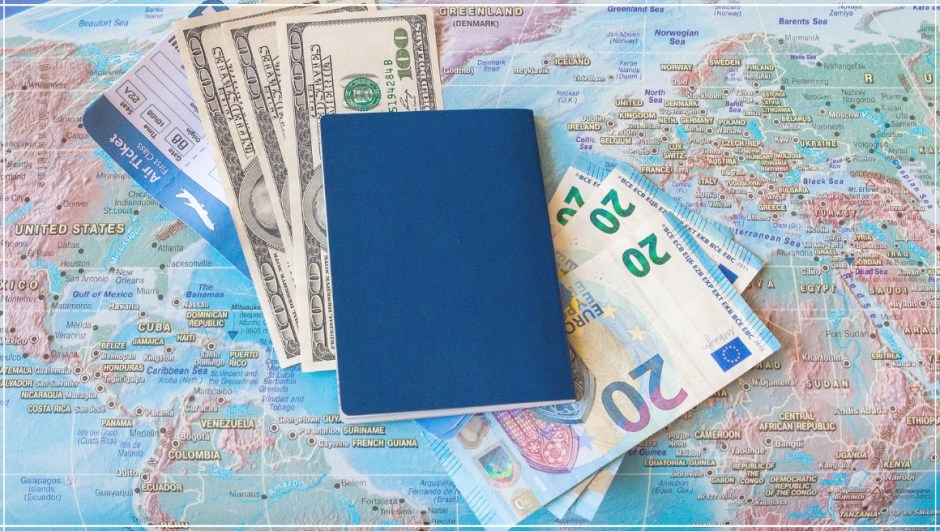
When preparing for a trip abroad, one of the most critical aspects of planning is ensuring you have the right payment methods at your disposal. Relying on a single payment method can be risky, especially when travelling to destinations with varying financial systems. Whether you’re venturing to a bustling European city or a remote Asian village, it’s essential to have a mix of payment options to ensure your trip goes smoothly.
Cash: Still King in Many Places
Despite the rise of digital payments, cash remains one of the most widely accepted and reliable forms of payment in many parts of the world. It’s particularly useful in countries where credit card penetration is low, or in rural areas where card readers may not be available. Having some local currency on hand is crucial for small purchases like street food, taxis, and small shops.
When withdrawing cash, always ensure you use ATMs located in safe, well-lit areas, such as inside bank branches or near tourist spots. Additionally, it’s a good idea to carry a small amount of cash in different denominations so you can pay for smaller transactions easily. Keep in mind that currency exchange rates at airports or tourist areas can be unfavourable, so it’s best to exchange money in advance or at local banks where rates are more competitive.
Cryptocurrency: The Future of Payments for the Tech-Savvy Traveller
Cryptocurrency is rapidly becoming a viable payment method for tech-savvy travellers looking for fast, secure, and borderless transactions. Digital currencies like Bitcoin and Ethereum enable direct payments without needing banks or intermediaries, making them an excellent option for avoiding high international fees. Additionally, cryptocurrencies offer enhanced privacy and security through blockchain technology, which reduces the risk of fraud.
Cryptocurrency is gaining traction across various sectors, making it easier for travellers to use digital currencies for everyday expenses. You can now book flights, reserve hotel rooms, and pay for tours through platforms like Travala, allowing you to manage your travel plans without needing to convert to local currencies. Some tour operators also accept crypto for guided experiences, offering more flexibility in how you pay. When it comes to entertainment for travellers, some streaming services now accept crypto payments, so you can enjoy movies, music, and shows abroad.
Additionally, for those who enjoy online gaming while on the move, online casinos are increasingly accepting digital coins like Bitcoin and Ethereum, allowing bettors to buy in, wager, and withdraw their funds using crypto. When playing at a no verification online crypto casino, travelling bettors are able to get straight to playing, bypassing the typical hassles often associated with verifying their identity online.
As cryptocurrencies continue to grow in acceptance, their potential to simplify travel payments will only increase. For those looking to stay ahead of the curve, using crypto abroad offers a modern and secure way to navigate both travel and entertainment without relying on traditional financial systems.
Credit and Debit Cards: A Global Standard
Credit and debit cards are indispensable for most international travellers. They are widely accepted in hotels, restaurants, and larger stores across the globe, making them a convenient and secure option. The primary advantage of cards is that they offer security and are often backed by fraud protection services, so if your card is lost or stolen, you can report it and avoid financial loss.
When choosing a card for travel, ensure that your bank offers a card that does not charge foreign transaction fees. These fees, which can be as high as 3%, can add up quickly, especially when you make numerous purchases abroad. It’s also important to inform your bank about your travel plans to prevent your card from being flagged for unusual activity. Furthermore, some banks offer travel-specific cards with added benefits like travel insurance or reward points for purchases made abroad.
Prepaid Travel Cards: A Safe Alternative
For those who want to manage their travel budget and avoid high fees, prepaid travel cards are an excellent option. These cards, which differ from other plastic cards like debit and credit cards, allow you to load a specific amount of money onto the card before your trip, ensuring you stay within your budget while avoiding the risk of overspending. Many prepaid cards are available in multiple currencies, which can help you avoid conversion fees when travelling between countries.
One of the primary advantages of prepaid travel cards is that they are not linked to your bank account. This adds an extra layer of security since, in the event of theft or loss, your personal bank details remain protected. Additionally, many prepaid cards offer the ability to freeze or lock your account remotely, further protecting your funds. Keep in mind that some cards may charge activation or maintenance fees, so it’s important to read the terms and conditions before you commit.
Mobile Payments: Convenient and Contactless
In recent years, mobile payment methods such as Apple Pay, Google Pay, and Samsung Pay have become increasingly popular. For example, Apple Pay is now accepted across the globe in a wide variety of countries, making it a go-to option for many. These payment methods allow you to make purchases directly from your smartphone, eliminating the need for physical cards. Many businesses, particularly in urban areas, now accept contactless mobile payments, making it a fast and convenient option for travellers.
One of the key benefits of mobile payments is the added security. Transactions require authentication, such as a fingerprint or face scan, making it difficult for anyone else to access your funds. Additionally, if your phone is lost or stolen, you can remotely lock or wipe your device to protect your financial information.
However, it’s important to note that not all countries or businesses accept mobile payments, particularly in less-developed areas. It’s still wise to carry a backup payment method, such as a debit or credit card, in case mobile payments are not available. Moreover, ensure your phone plan includes international data or Wi-Fi access to use these payment methods seamlessly while abroad.
Travellers’ Cheques: A Backup Option
Although travellers’ cheques have fallen out of favour in recent years, they can still be a useful backup payment method, particularly in countries where other options are limited. Unlike cash, travellers’ cheques can be replaced if lost or stolen, which makes them a more secure alternative in certain regions.
However, the use of travellers’ cheques has declined significantly as digital payments and cards have become more prevalent. If you do choose to carry travellers’ cheques, be aware that they may not be accepted everywhere, and you may need to exchange them for local currency at a bank or exchange office, which can incur additional fees.
Conclusion: A Balanced Approach
When it comes to choosing the best payment methods for your travels, it’s important to take a balanced approach. No single payment method is foolproof, and relying solely on one option can leave you vulnerable in certain situations. A combination of cash, cards, and digital wallets, with an emergency backup such as travellers’ cheques, will ensure you are prepared for a variety of scenarios.
Ultimately, the best payment methods for your travels depend on where you are going, how long you will be away, and the financial services available in your destination. By planning ahead and diversifying your payment options, you can enjoy a smoother, more secure travel experience.
Discover more from Travel Vixta
Subscribe to get the latest posts sent to your email.