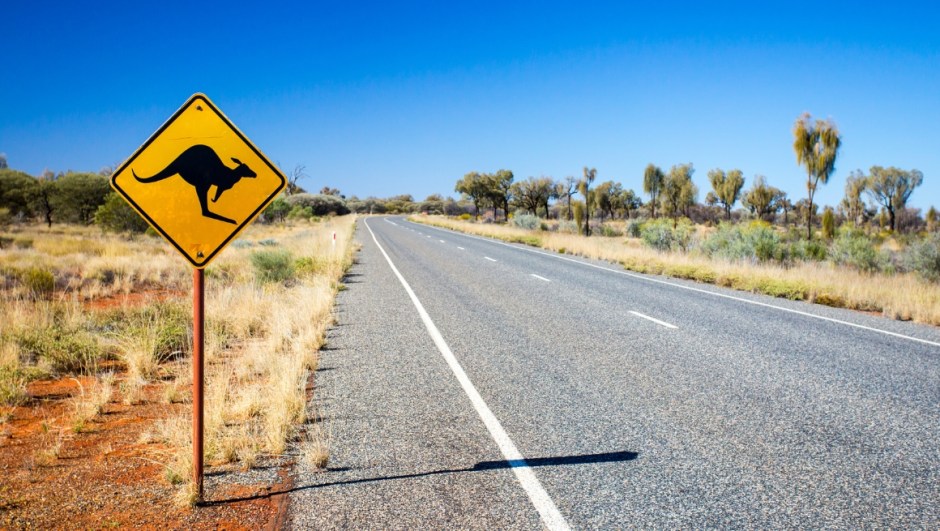
Embarking on an adventure to Australia promises diverse landscapes, unique wildlife, and unforgettable experiences. To make the most of your trip, it’s crucial to pack appropriately. Australia’s climate varies greatly depending on the region and time of year, so it’s important to pack versatile clothing that can be layered.
For instance, lightweight clothes for the warmer regions and summer months and a few warm layers such as sweaters, hoodies, and long-sleeved shirts when exploring cooler regions. Of course, don’t forget about sun protection! Add to your luggage a wide-brimmed hat, sunglasses, and a sarong or cover-up to protect yourself from the intense Australian sun.
Now you know what to take, think about what you are going to do. Australia is renowned for its unique and diverse wildlife, offering numerous opportunities for nature enthusiasts to encounter animals that can’t be found anywhere else. According to research by Audley Travel, certain animals are particularly popular among British travellers.
Seeing the extraordinary wildlife in Australia will likely feature highly on your list of adventures when visiting. With a little help from the team at Audley Travel, you can be paired with the best naturalist guides. These guides will take you to see the animals in the wild and in the most authentic possible way – away from the crowds!
So, keen to find out what animals you could encounter? Here’s a look at some of the must-see wildlife in Australia based on search data and expert insights.
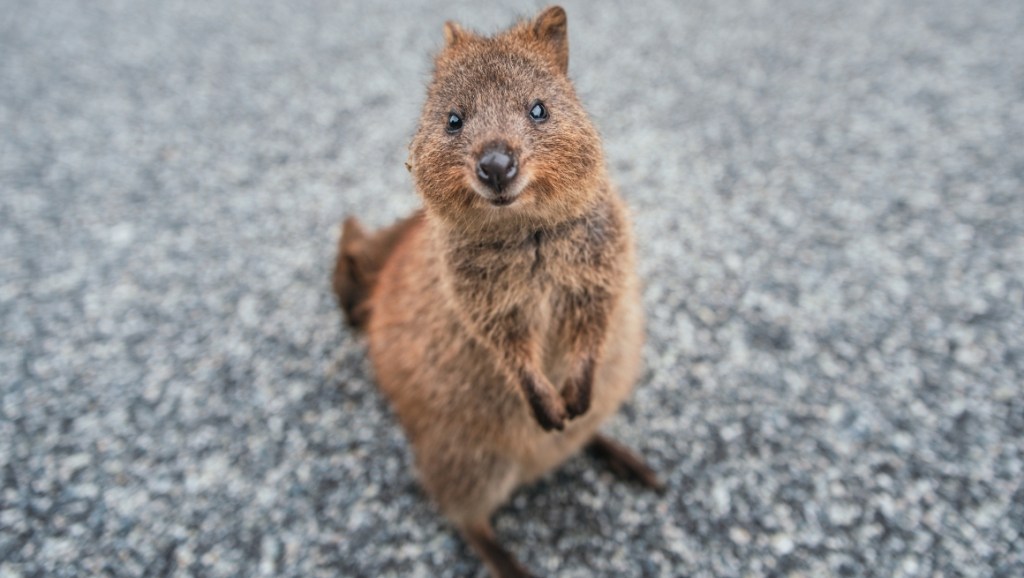
Quokka
Quokkas top the list as the most popular Australian animal. These small marsupials are known for their adorable smiles and friendly nature. Audley Australia specialist Tom Pegram explains, “Quokkas are always popular with visitors to Australia as their facial expression often resembles a grin and their inquisitive nature makes them engaging to watch — and easy to photograph.” You can primarily find quokkas in the southwest region of Australia, with Rottnest Island, off the coast of Perth, being the best place to see them. Despite being nocturnal, quokkas on Rottnest Island are often active during the day due to the lack of predators.

Koala
The koala is another iconic Australian animal, easily recognized by its fluffy ears and gentle demeanour. While often associated with cuddly images, it’s important to respect their welfare and avoid any experiences that involve hugging them. Instead, visit Kangaroo Island in South Australia, where you can observe koalas living naturally in the wild. Their presence on the island adds to the magical experience of exploring this wildlife-rich destination.

Wombat
Wombats are robust marsupials known for their surprising speed, capable of running as fast as a human sprinter. “As wombats are primarily nocturnal, one of the best ways to see them is first thing in the morning, when they’re sleepy and moving at a slower pace,” says Tom Pegram. Peppers Cradle Mountain Lodge in Tasmania is an ideal place to spot these creatures, where you might see them wandering the trails at dawn.

Platypus
The platypus is one of the most unusual and intriguing animals you can encounter in Australia. This egg-laying mammal, with its duck-bill and webbed feet, fascinates visitors with its unique appearance and behaviour. Platypuses are elusive and often shy, making them a rare but rewarding sight for those who manage to spot them. Try your luck at rivers and streams in eastern Australia, particularly in Tasmania and Queensland, where platypus sightings are more common.
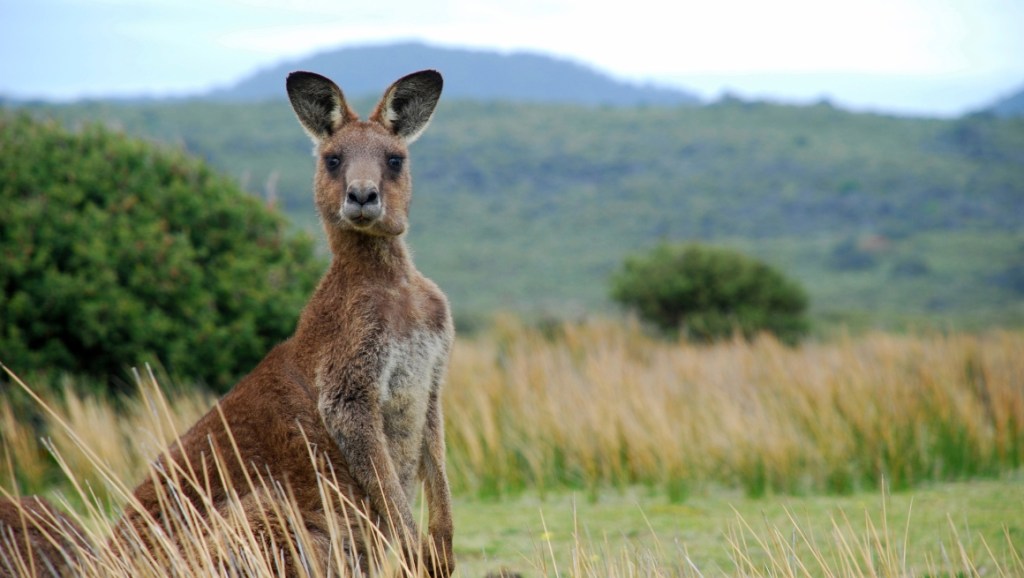
Kangaroo
No trip to Australia would be complete without seeing kangaroos in their natural habitat. These iconic animals are a symbol of the country and are found in various regions across Australia. Kangaroo Island is aptly named for its population of kangaroos, providing visitors with a fantastic opportunity to observe these creatures up close. Watching kangaroos hop across the landscape is a quintessential Australian experience that nature enthusiasts should not miss.
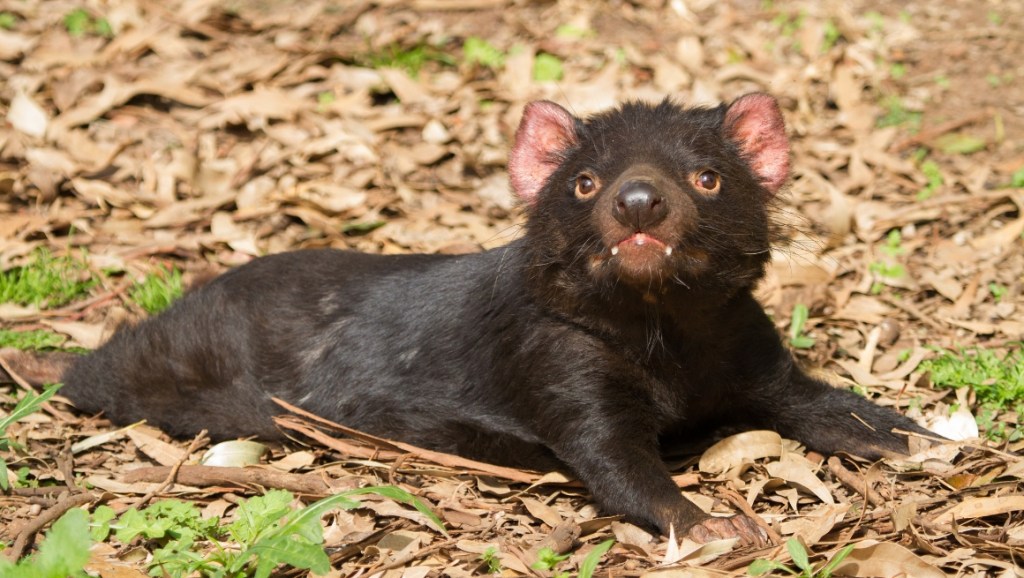
Tasmanian Devil
The Tasmanian devil, known for its fierce temperament and distinctive screech, is a unique carnivorous marsupial native to Tasmania. Conservation efforts are crucial for the survival of this species, which has faced significant threats in recent years. To see Tasmanian devils, visit wildlife sanctuaries and reserves in Tasmania, where you can learn about the efforts to protect and preserve these fascinating creatures.

Emu
The emu, Australia’s largest bird, is an impressive sight with its towering height and powerful legs. Emus are flightless birds that can be seen in various parts of the country, often wandering in open grasslands and forests. Their curious and sometimes bold nature makes encounters with emus memorable, as they often approach humans out of curiosity.
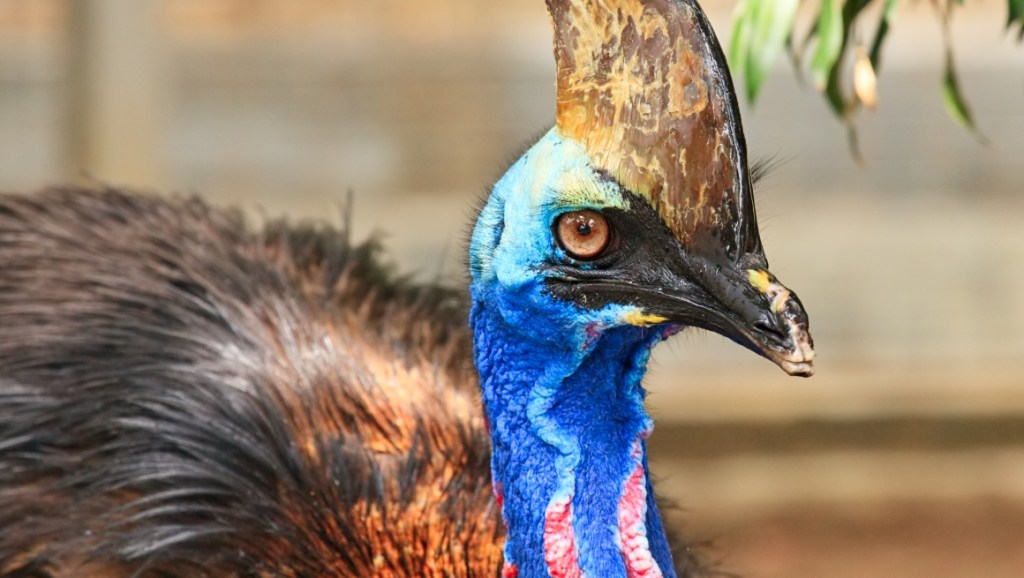
Cassowary
The cassowary is a striking bird found in the tropical rainforests of northern Australia. Known for its vibrant blue and black plumage and helmet-like casque, the cassowary is a vital part of the ecosystem, aiding in seed dispersal. Spotting a cassowary in the wild is a rare and thrilling experience, but visitors should exercise caution due to their potential aggression when threatened.

Echidna
Echidnas are spiny anteaters known for their unique appearance and burrowing habits. These egg-laying mammals are found throughout Australia and are known for their distinctive spines, which provide protection from predators. Echidnas are generally solitary animals and can be seen in various habitats, from forests to deserts. To increase your chances of encountering an echidna, visit national parks and wildlife reserves, where they often forage for insects and other small invertebrates.

Wallaby
Wallabies are smaller relatives of kangaroos and are just as fascinating to observe. They inhabit a range of environments across Australia, including forests, grasslands, and coastal regions. Wallabies are particularly active during dawn and dusk, making these times ideal for spotting them in the wild. Their gentle nature and smaller size compared to kangaroos make them a delightful sight for wildlife enthusiasts.
Discover more from Travel Vixta
Subscribe to get the latest posts sent to your email.