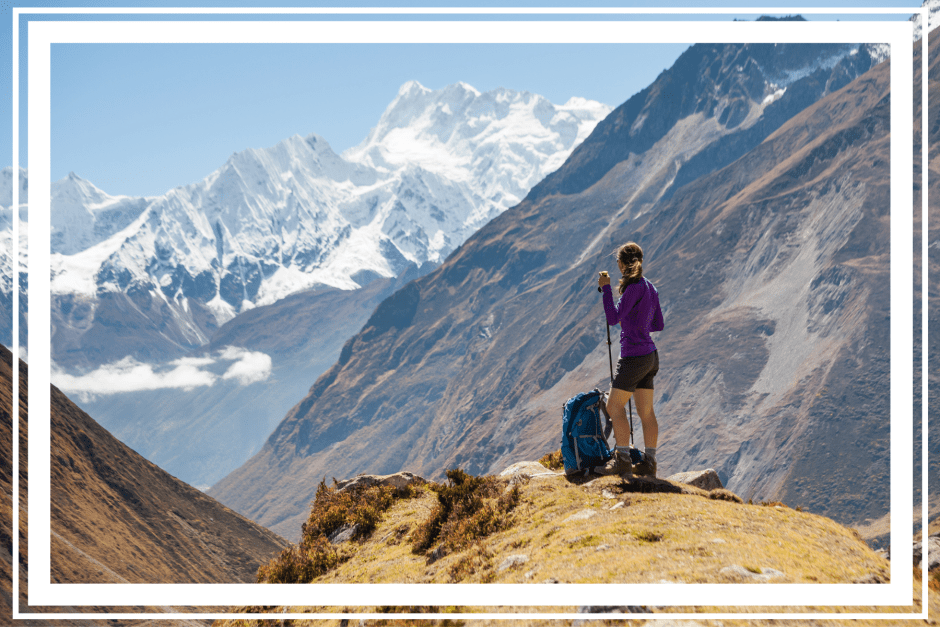
For many travellers, the appeal of adventure travel is not simply about reaching a destination – it is about stepping away from the noise of everyday life and finding something more genuine in its place. Few experiences deliver that more completely than the Manaslu Circuit Trek in Nepal.
This is not simply a trekking route. It is an opportunity to enter a world where towering mountains shape daily existence, ancient Tibetan Buddhist traditions remain very much alive, and life follows a rhythm that has changed very little for generations. The Manaslu Circuit Trek is, for anyone who has ever considered a serious Himalayan adventure, one of the most rewarding and culturally rich routes available.
What is the Manaslu Circuit Trek?
The journey begins in Kathmandu, Nepal’s vibrant capital, where trekkers spend their final days surrounded by markets, historic temples, and the familiar energy of a busy city. From here, the road winds toward Machha Khola and the trail gradually enters the Manaslu Conservation Area – one of the most remote and culturally preserved regions of the Himalayas.
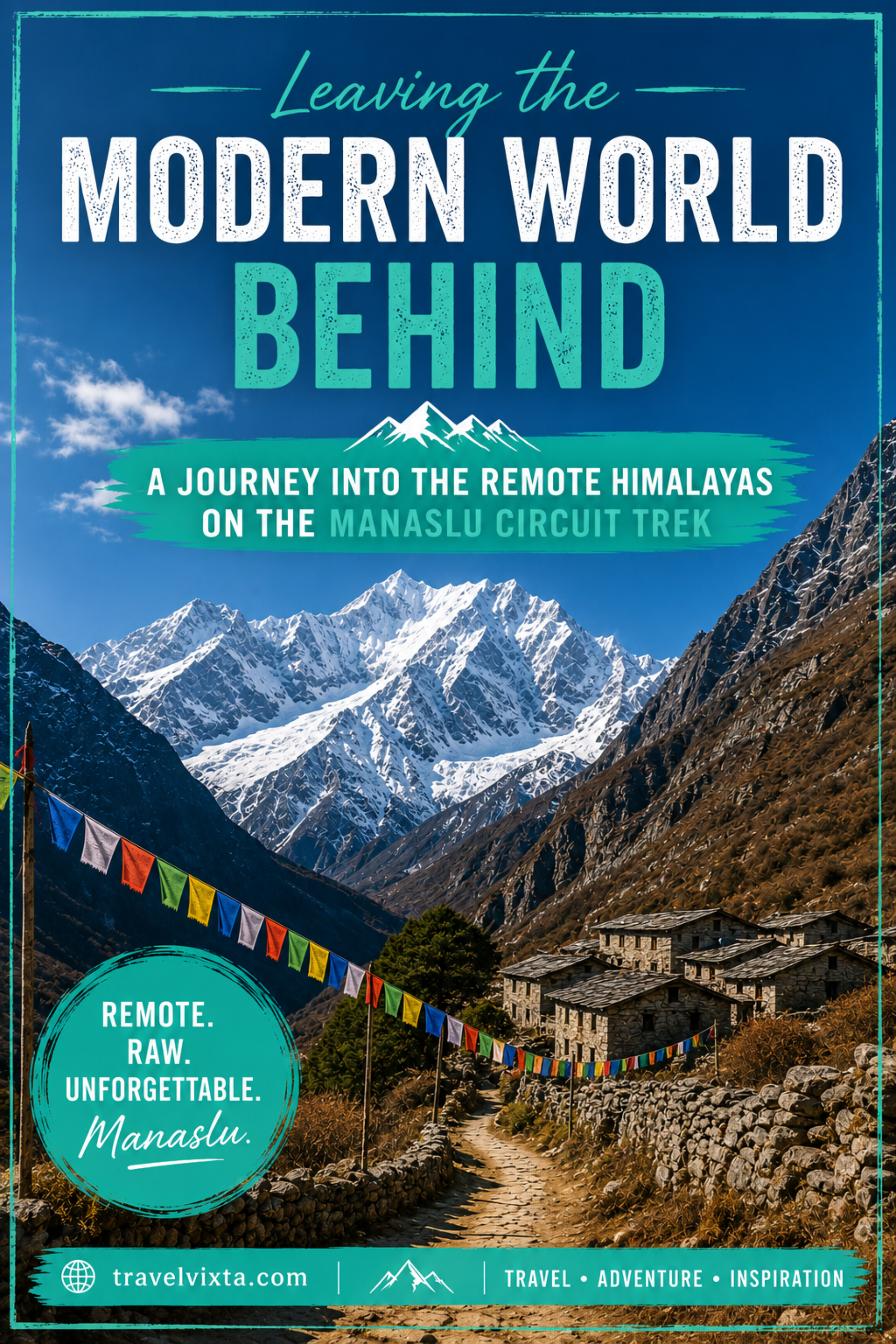
As the path climbs deeper into the valley, the signs of modern life begin to fall away. Roads become narrower, villages grow smaller, and the mountains begin to dominate everything. Stone houses stand against dramatic backdrops. Farmers work terraced fields carved into steep hillsides. Yak caravans move between villages, and children walk ancient mountain paths to school.
The contrast with life in Europe or other highly developed parts of the world is striking – and for many trekkers, deeply moving.
Why the Manaslu Circuit is Different from Everest Base Camp
One of the main reasons modern adventurers are increasingly choosing the Manaslu Circuit is that it offers something the more famous routes can no longer easily provide: genuine remoteness and cultural authenticity.
The Everest region has naturally evolved to accommodate its enormous popularity. Today, trekkers will find busy trails, crowded lodges, modern cafés, and Wi-Fi throughout much of the route. None of this is a criticism – it simply reflects how popular trekking in Nepal has become. But for those seeking a more immersive and less commercialised experience, Manaslu offers a striking contrast.
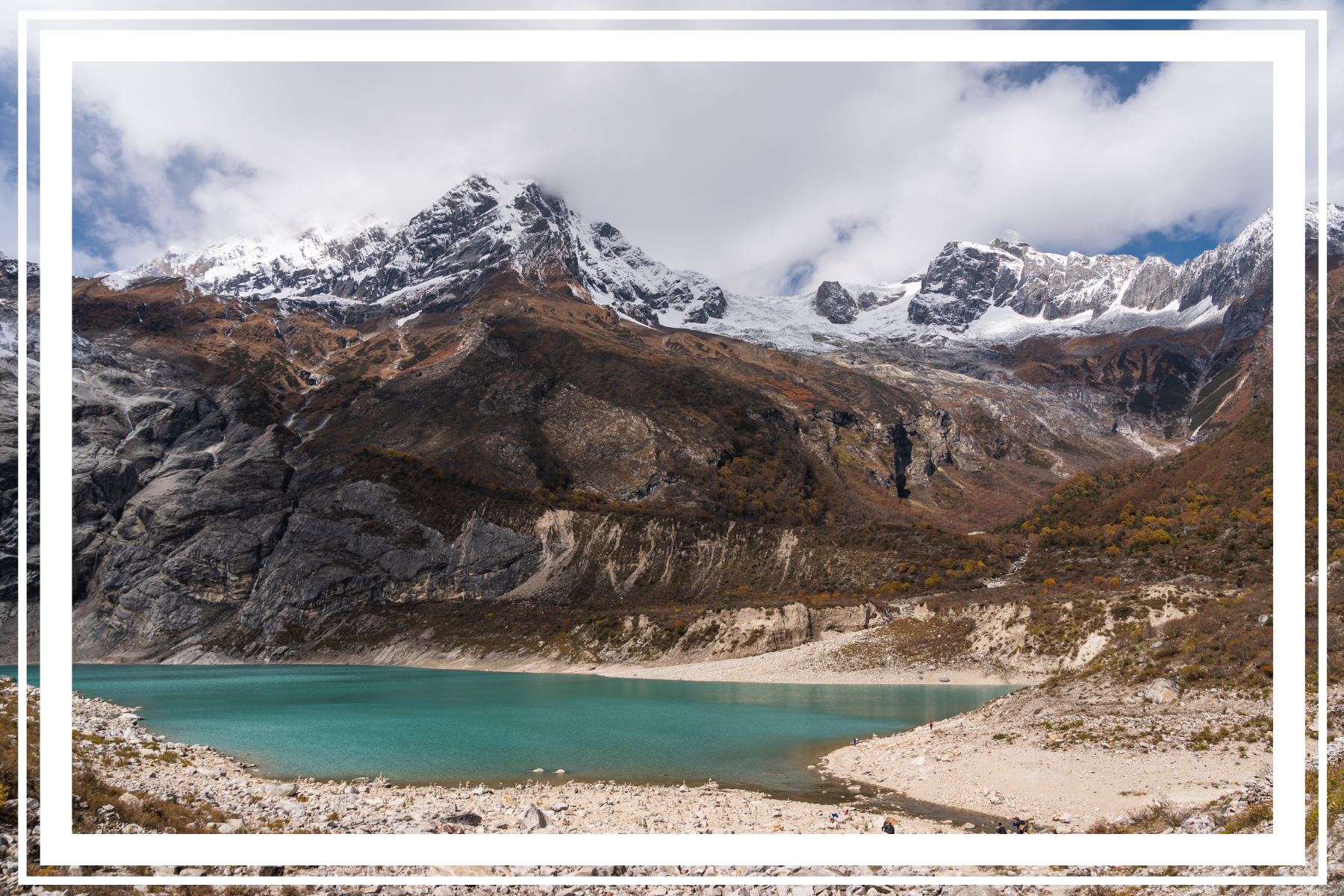
Widely regarded as one of the best less-crowded treks in Nepal, the Manaslu Circuit takes trekkers through quiet valleys, traditional villages, dense forests, and dramatic river gorges that remain largely untouched by mass tourism. Long stretches of trail pass without encountering large groups, and the communities along the way have not been shaped around tourism. People are farming, tending livestock, carrying supplies, and maintaining cultural traditions in the same way they have for centuries.
For anyone considering a challenging active adventure abroad, this kind of off-the-beaten-path Himalayan trek is genuinely special.
The Cultural Experience Along the Trail
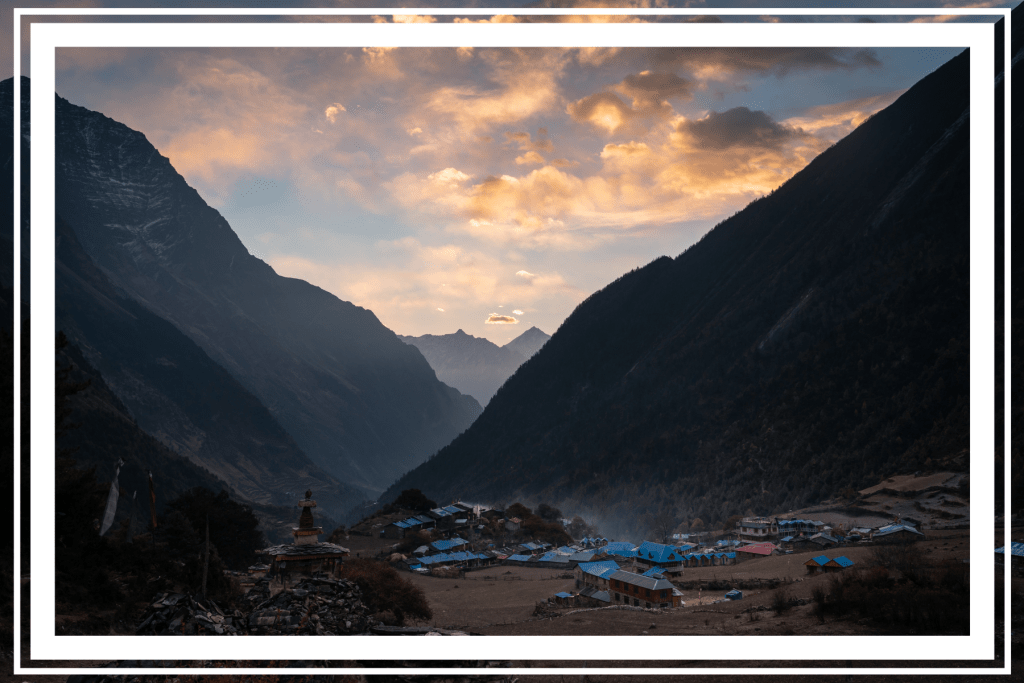
As the trail climbs higher, the cultural atmosphere becomes increasingly fascinating. Tibetan Buddhist traditions shape daily life throughout the upper Manaslu Valley. Ancient monasteries stand beneath towering peaks. Prayer flags stretch across ridgelines and suspension bridges. Mani walls, chortens, and sacred symbols appear along the path, creating a quiet spiritual presence throughout the journey.
Villages such as Lho, Samagaon, and Samdo offer rare insight into Himalayan life – traditions that have survived in relative isolation for centuries. Operators like Exciting Nepal, founded by Subash KC who was born and raised in Nepal, work closely with these communities to ensure visits are conducted respectfully and that tourism genuinely benefits local people. Monks perform daily rituals in mountain monasteries while local families continue practices passed down through generations. The deeper the trail goes, the more it feels as though time has slowed down entirely.
Many trekkers begin the journey expecting spectacular mountain views. What often surprises them is the sense of mental freedom they discover along the way. Away from emails, deadlines, and digital distractions, attention shifts toward simpler things: the sound of rivers, the changing light on distant peaks, and conversations with local villagers over shared meals in remote teahouses.
Crossing Larke Pass: The Defining Moment
Every great trekking journey has one moment that stays in the memory long after the adventure ends. On the Manaslu Circuit Trek, that moment is the crossing of Larke Pass – one of the most spectacular and rewarding high-altitude crossings in the Himalayas.
The days leading to the pass build anticipation steadily. Each village feels more remote than the last, the air grows thinner, and the surrounding peaks appear increasingly dramatic. By the time trekkers reach Dharmashala – the final stop before the pass – there is a noticeable shared excitement among everyone on the trail.
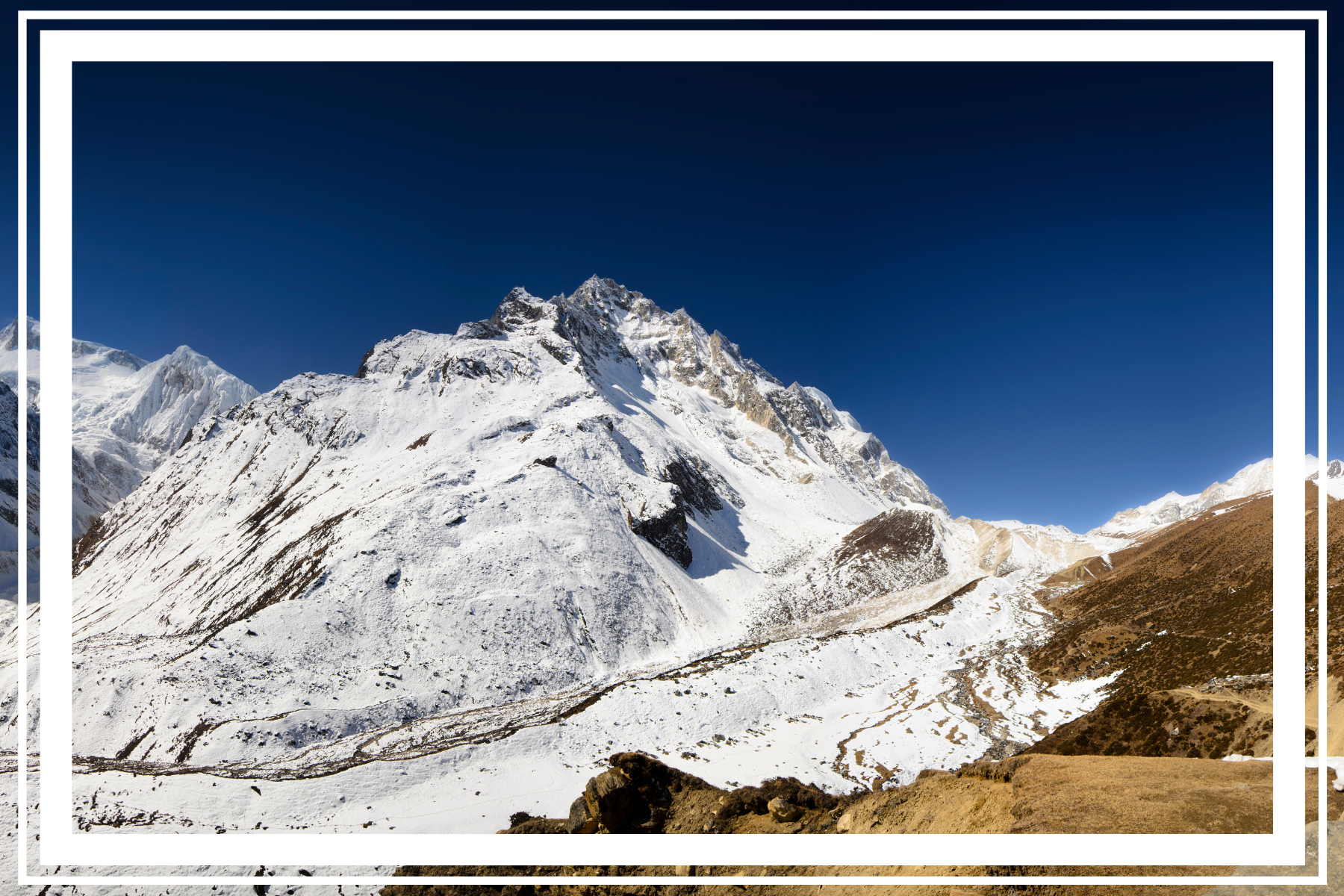
The crossing begins long before sunrise. In the darkness, headlamps illuminate a narrow path toward the mountains. The temperature is often well below freezing, and the Himalayan silence creates an atmosphere unlike anything found in everyday life. As trekkers gain elevation, the first rays of sunlight begin touching the surrounding peaks, transforming the landscape into a breathtaking panorama of snow, ice, and towering giants.
The environment here feels raw and untouched. Massive glaciers cling to the mountainsides. Snow-covered ridgelines extend toward the horizon. Every step forward feels earned, and every glance around reveals scenery that is almost impossible to describe.
The emotional dimension of crossing Larke Pass is what makes it truly memorable. For days, trekkers have challenged themselves physically and mentally – crossing suspension bridges, climbing steep trails, and adapting to altitude. The pass is the culmination of all that effort. Standing at the top, surrounded by some of the most dramatic mountain scenery in Nepal, with prayer flags flickering in the wind and snow-covered peaks stretching endlessly across the horizon, creates a feeling that is difficult to fully explain.
It is not simply about altitude. It is about everything the journey has demanded to reach that point.
The Scenery Along the Route
The landscape of the Manaslu Circuit evolves constantly throughout the trek. Dense forests gradually give way to high alpine terrain. Powerful rivers carve deep gorges through the mountains. Glaciers descend from snow-covered peaks. Dominating the skyline is Mount Manaslu itself – at 8,163 metres, the eighth-highest mountain in the world – a constant reminder of the immense scale of the Himalayas.
This kind of mountain scenery shares something in spirit with the rewarding feeling of completing a steep and challenging hike closer to home – like a mountain hike in Rhodes – only on an entirely different scale.
Planning a Manaslu Circuit Trek
The Manaslu Circuit requires a restricted area permit, which means it must be completed with a licensed guide and a minimum group of two trekkers. This is actually one of the reasons the region has remained so well-preserved – visitor numbers are naturally limited.
The best seasons are spring (March to May) and autumn (September to November), when the weather is most stable and visibility at altitude is at its best. The full circuit typically takes around 14 to 18 days depending on acclimatisation stops and pace.
15-Day Manaslu Circuit Trek Itinerary
Here is an outline of a typical 15-day Manaslu Circuit Trek itinerary to help with planning:
Day 1: Arrival in Kathmandu and hotel transfer (1,400m)
Day 2: Preparation, permit arrangements and trek briefing. Optional sightseeing in Kathmandu Valley.
Day 3: Kathmandu to Machha Khola by road (850m – 7-8 hrs drive – 160km)
Day 4: Machha Khola to Jagat (1,300m – 6-7 hrs – 22km)
Day 5: Jagat to Deng (1,860m – 5-6 hrs – 19km)
Day 6: Deng to Namrung (2,660m – 4-5 hrs – 14km)
Day 7: Namrung to Lho (3,180m – 3-4 hrs – 9km)
Day 8: Lho to Sama Gaun (3,520m – 6 hrs – 17km)
Day 9: Acclimatisation day at Sama Gaun
Day 10: Sama Gaun to Samdo (3,875m – 4-5 hrs – 8km)
Day 11: Samdo to Dharmashala (4,450m – 4-5 hrs – 9km)
Day 12: Dharmashala to Bhimthang via Larkya La Pass / Larke Pass (5,123m – 8-9 hrs – 23km)
Day 13: Bhimthang to Gho (2,520m – 5-7 hrs – 13km)
Day 14: Gho to Dharapani (1,860m – 6 hrs – 14km)
Day 15: Drive back to Kathmandu (1,400m – 8-9 hrs – 200km)
This itinerary outline is courtesy of Exciting Nepal, who offer fully guided Manaslu Circuit treks with experienced local guides and full permit and logistics support.
Choosing an experienced local guide and trekking operator makes a significant difference to the quality of the experience – look for someone with deep local knowledge, sustainable values, and strong ties to the mountain communities along the route.
Is the Manaslu Circuit Trek Worth It?
For anyone seeking a genuine Himalayan adventure – one that combines physical challenge, extraordinary scenery, and deep cultural immersion – the answer is yes, without hesitation.
The Manaslu Circuit Trek is not the easiest route in Nepal, and it is not the most famous. But for travellers who want to experience the Himalayas at their most authentic – away from the crowds, beyond the commercialised routes, and deep into a landscape where nature and tradition still shape every aspect of daily life – it is one of the most remarkable journeys available anywhere in the world.
Long after returning home, most trekkers find that the mountains are not the only thing they remember. They remember the people, the villages, the monasteries, the quiet mornings, and the realisation that somewhere in the remote Himalayas, life still moves to a completely different rhythm.
Discover more from Travel Vixta
Subscribe to get the latest posts sent to your email.