
Homeowners across the UK and Europe are increasingly discovering that their garden holds untapped income potential. In Ireland alone, the short-term rental market is growing by more than 30% year on year, and that trend is reflected right across the British Isles and beyond. A well-designed garden house, converted and listed on Airbnb, can generate meaningful rental income from space you already own – with guests paying an average of €180 per night for unique self-contained stays.
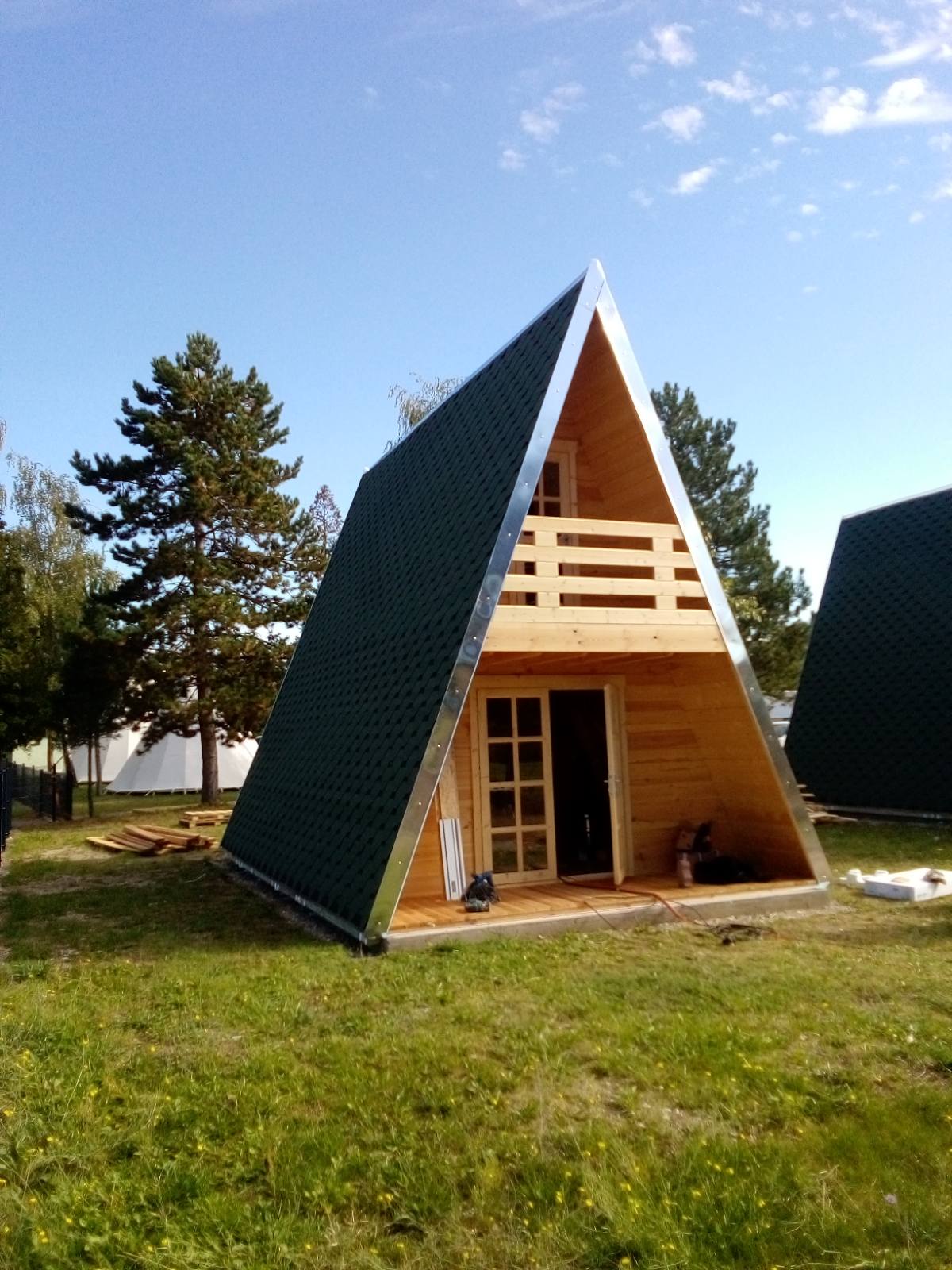
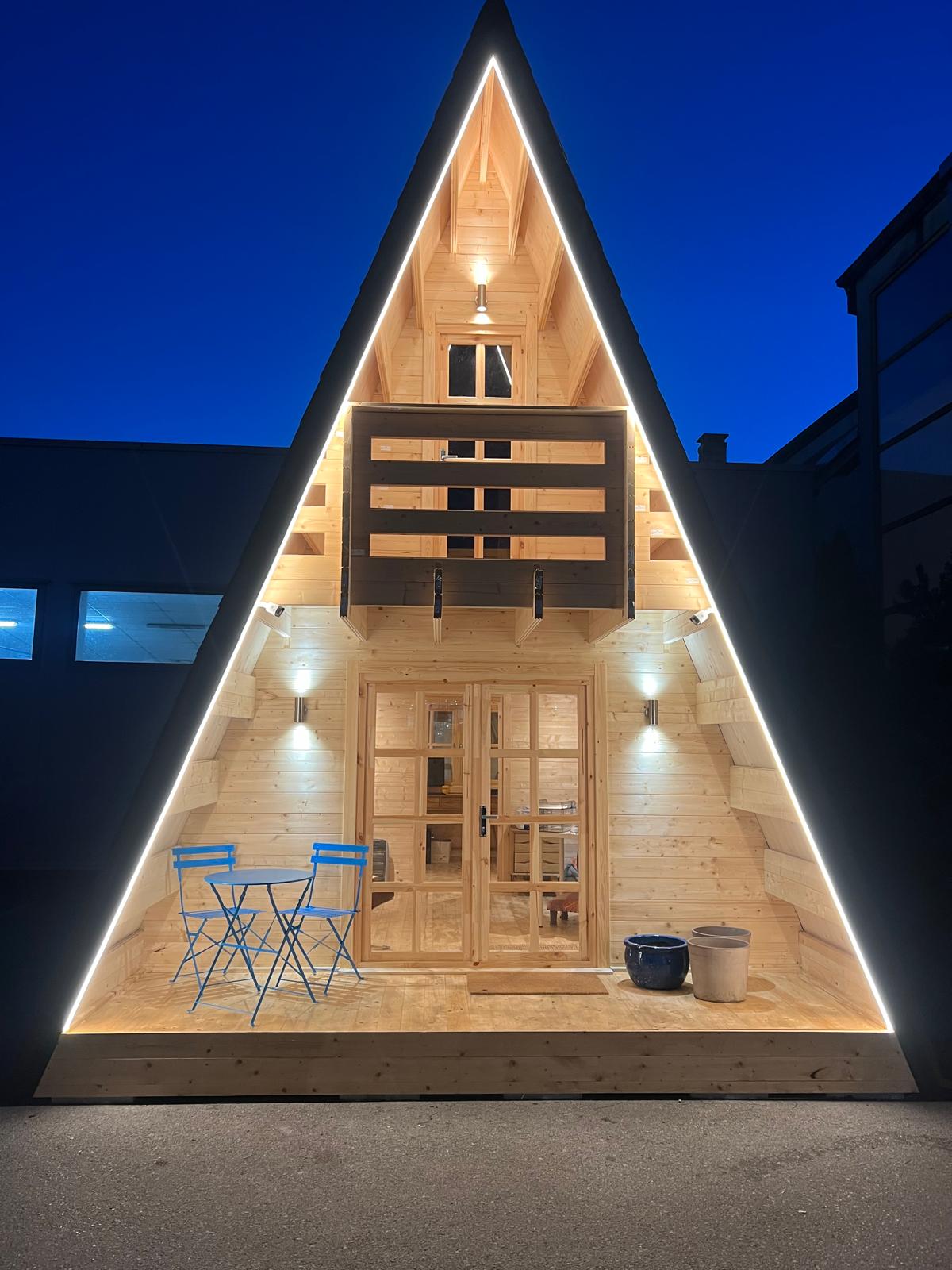
This guide covers everything you need to know about turning a garden structure into a profitable short-term rental, from choosing the right building to planning permission, costs, and setting up for guests. Homeowners looking for quality garden buildings when planning their Airbnb project can find inspiration at Pineca Ireland – all of the photos in this article are their designs, and you can see why we love them. Aren’t those A-frame cabins just stunning?
Why a Garden House Makes Sense for Airbnb
We have talked about doing this for years. Ben has built garden rooms from scratch and from flat-pack kits, we live in a tourist hotspot on the Cornish coast, and we have family and friends already making a solid income from Airbnb – from full houses to converted garages. We even converted our old garage at a previous home with Airbnb in mind before a relocation put a stop to it.
So when we say a garden house Airbnb is a genuinely interesting idea, we mean it. These A-frame cabin-style structures from Pineca Ireland are a big part of what keeps the dream alive – the kind of thing guests would book specifically to experience rather than just as a place to sleep.
Converting a garden structure into a short-term rental has real advantages over other Airbnb routes – renting a spare room, converting part of your home, or buying a second property.
The main draw is privacy. Guests increasingly want self-contained accommodation with their own entrance, their own space, and no shared walls with a family they have never met. That preference has grown significantly since the pandemic and shows no sign of reversing. Around 90% of short-term bookings are now for entire homes rather than shared spaces, which means a self-contained garden unit sits right in the middle of what guests actually want.
Beyond that, a modular or flat-pack garden house can be up and running faster and at lower cost than a full renovation or property purchase. And if the Airbnb income ever dries up, the structure doesn’t go to waste – it can become a home office, a guest room, a studio, or a long-term rental without much difficulty.
The A-Frame Appeal
There is also something to be said for the type of structure you choose. Standard garden rooms do well on Airbnb, but distinctive buildings – A-frames, cabins, log-style structures – do even better. Guests will book them specifically because of how they look. The kind of building that photographs well and feels like a genuine experience rather than just accommodation will always outperform a plain box, however well fitted out.
We are a bit obsessed with A-frame designs. Having stayed in pods and cabins on various trips, there is something about that warm wood interior and the dramatic roofline that just feels special – especially lit up at night with a bistro table outside. If you are going to invest in a garden structure for Airbnb, it is worth thinking carefully about the visual appeal from the outset.
Why the Short-Term Rental Market Is Growing
To give a sense of the numbers involved, let’s look at Ireland as an example – a market where the short-term rental sector is growing by more than 30% year on year. That growth reflects a broader trend across the UK and Europe, where demand for unique, self-contained stays continues to outpace supply.
In Ireland, garden house Airbnbs are averaging around €180 per night in rural areas, with Dublin listings averaging €161 per night at 77% occupancy. Galway commands higher nightly rates at around €277, though with lower occupancy at around 52%. The UK market tells a similar story, particularly in tourist hotspots – coastal areas, national parks, and popular countryside destinations where unique accommodation is in short supply and demand is year-round.
Choosing the Right Garden House
Size, insulation, and practical features matter more than most people realise at the planning stage.
For a functional studio Airbnb, you need a minimum of around 15-20 square metres to fit a bed, small seating area, and bathroom. A footprint of 25-35 square metres gives guests a more comfortable experience with space for a separate living area, which typically translates to better reviews and higher nightly rates.
Always opt for a well-insulated model. Basic uninsulated garden buildings will require costly additional work and will be uncomfortable for guests in cooler months – which in the UK and Ireland is most of the year. Look for electrical readiness, good natural light, and a layout that allows for bathroom and kitchenette installation without major structural work.
Modular and flat-pack options like those from Pineca Ireland make the planning process more straightforward, with models specifically designed to work as habitable spaces rather than simple storage or office structures.
What Does It Cost?
Using Ireland as a reference point again, a typical garden house Airbnb conversion breaks down roughly as follows:
The garden house structure itself typically costs €8,000-€25,000. Site preparation adds €1,000-€3,000, utility connections (water and electricity) a further €2,000-€4,000, and bathroom, kitchenette and furnishings another €5,000-€11,000. Total investment typically falls in the range of €16,000-€43,000 depending on spec and finish.
UK costs follow a broadly similar pattern in sterling. The good news is that garden house Airbnbs in strong tourist markets can break even within 18-36 months. A €20,000 investment in a well-located property with average occupancy could generate a net profit of €1,300-€2,200 per month after expenses – which is a meaningful return on a relatively modest outlay.
Planning Permission – What You Need to Know
Rules vary by location, so always check with your local planning authority before starting – and be aware that using a garden structure as sleeping accommodation is treated differently to a garden office or hobby room.
In the UK, many small garden structures fall under permitted development rights for basic use, but once you introduce plumbing, sleeping accommodation, or commercial short-term rental income, the picture changes. Building regulations are likely to apply for any habitable space, covering things like insulation standards, electrical safety, ventilation, and fire safety. Planning permission may also be required depending on the size of the structure and how it is being used. It is not a process to skip – getting proper sign-off protects you, your guests, and your ability to operate legally.
In Ireland, the same principle applies. Smaller structures may qualify as exempted development for basic garden use, but a fully fitted habitable unit with plumbing and commercial rental use is unlikely to fall under that exemption. Taking professional advice early – from a planning consultant or architect – is far easier and cheaper than dealing with enforcement issues later.
The short version: don’t assume a permitted development garden room automatically qualifies as a rentable sleeping space. Check first, build second.
Setting Up for Guests
A well-converted garden house should feel genuinely self-contained. The essentials are a comfortable bed, a bathroom (a wet room works well in smaller spaces), and basic kitchen facilities – a mini fridge, microwave, kettle, toaster, and small sink cover most guest needs without requiring a full kitchen fit.
Heating is worth doing properly. Electric panel heaters work, but underfloor heating or a compact air-to-air heat pump gives a noticeably better guest experience and will pay for itself in reviews. Budget around €2,000-€5,000 for furnishings, and choose pieces that are both durable and visually coherent – a consistent design theme makes a real difference to how a listing photographs and how guests perceive the value of their stay.
If you want more tips on making your space as appealing as possible to guests, our guide to styling your Airbnb covers the interior side in detail.
Is a Garden House Airbnb Worth the Investment?
For us, and looking at the figures shared in this article, the answer is a clear yes – in the right location and with the right structure, a garden house Airbnb is one of the more sensible ways to generate a meaningful passive income from land you already own. The demand for unique, self-contained stays is real and growing. The investment is manageable compared to property. And if you choose something with genuine visual appeal – an A-frame cabin, a log-style structure, something that looks as good in photos as it does in person – you are giving yourself the best possible chance of consistent bookings.
We have not done it yet. But we have not stopped thinking about it either.
Discover more from Travel Vixta
Subscribe to get the latest posts sent to your email.