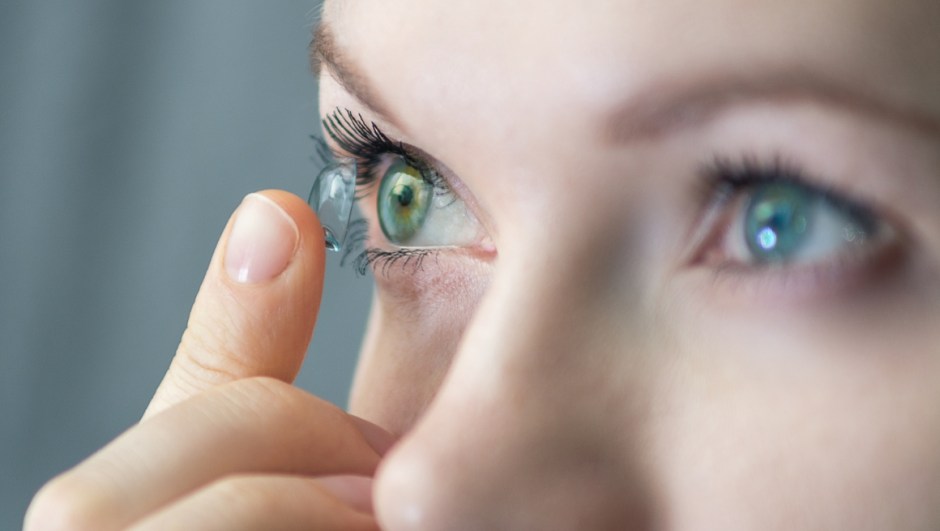
Winter travels can be an exciting opportunity to experience destinations in a new light. From visiting the snow-capped Alps to enjoying serene winter gardens, there’s much to explore. However, the cold air and dry indoor heating can leave your eyes feeling uncomfortable, especially if you wear contact lenses. Here’s how to protect your eyes and enjoy clear vision on your winter holiday.
More than just the chilly weather, winter presents numerous opportunities to travel and experience destinations in a different light. For instance, a previous post recounts a winter visit to the picturesque Pinetum Gardens in Cornwall, England. While the botanical garden was not in full bloom, it still offered a unique experience, as you can peacefully walk through themed areas like the serene Japanese garden and vibrant Mediterranean garden and fully immerse yourself in the scenery.
There are also destinations specifically suited for wintertime, such as the Alps, where you can stay at luxurious ski resorts and participate in adventures like skiing and snowboarding.
However, regardless of where you plan to spend your winter holidays, one health concern to be mindful of is the increased risk of dry eyes. Research shows that low temperatures, alongside other factors like low humidity and strong winds, may cause the eyes’ tear film to dry out. As a result, individuals may experience more frequent and severe ocular symptoms, including dry or scratchy eyes, inflammation, blurry vision, stinging, and itchiness.
Such dry eye symptoms can also be exacerbated if you wear contact lenses to correct your vision, as they can limit the oxygen that reaches the eyes and keeps them moist. Fortunately, the following tips can help you manage dry eyes from contact lenses and help you enjoy your winter holiday with clear vision.
1. Choose the correct type of contact lenses
Managing dry eye symptoms starts with choosing contact lenses that can accommodate temperature changes that otherwise affect tear film stability. In this case, the optical retailer Lenstore recommends the best contact lenses for dry eyes, designed with advanced materials that work with the tear film and facilitate oxygen to go through the eyes.
These include daily and monthly options from contact lens brands like ACUVUE and Total30, specifically made of premium silicone hydrogel to offer water content and continuously circulate moisture throughout the surface of the eyes. The retailer also provides flexible shipping options, such as next-day delivery, to help you prepare your contact lenses ahead of your trip.
Travel Tip:
When travelling, you’re often exposed to different climates—whether it’s the cold winds in the Alps or dry, heated air on a plane. Choosing lenses that provide moisture and are designed for comfort over long periods can make a big difference. Plus, carrying daily disposables can eliminate the hassle of cleaning solutions when you’re away from home, allowing you to focus more on enjoying your trip.

2. Check the contact lens solution you use
In some cases, dry eye symptoms can be linked not to the contact lenses you wear but to the cleaning solution you use. Whether you plan to visit domestic spots like Trenance Gardens and Boating Lake in Newquay or fly to other winter attractions like the Christmas markets in Frankfurt, check with your eye doctor first to see if they have any product recommendations for those with dry eyes.
Generally, however, it helps to look into the ingredients used in your chosen contact lens solution and ensure they don’t cause any allergic reactions or adverse effects that lead to dry eyes.
Travel Tip:
When travelling, the last thing you want is a flare-up of dry eyes from an incompatible lens solution. Pack small, travel-sized bottles of your preferred solution to avoid irritation, and keep it in your carry-on bag to make sure it complies with airport security regulations.
3. Consider using hydrating eyedrops
Another practical way to manage dry eyes, which can be worsened by cold temperatures, is to use hydrating eye drops. For those who go down the pharmaceutical route, the National Health Service recommends carmellose sodium eye drops, available under brand names like Celluvisc, Carmize, and Optive, to lubricate the eyes and relieve dry eye symptoms. Carmellose sodium can work like artificial tears and can have an immediate effect on your eye’s moisture and tear film stability.
However, since you’re wearing contact lenses and using drops regularly, it’s better to choose preservative-free options to avoid potential side effects like irritation, which can otherwise dampen your planned winter getaway. There are many natural, vegan-friendly eye drops available online without preservatives or ladened with chemical ingredients.
Travel Tip:
Hydrating eye drops are a must-have when travelling, especially in dry or heated environments like airports, planes, or ski resorts. Always pack a small bottle in your handbag or pocket for easy access. Keep in mind that the dry air in high-altitude areas or during long-haul flights can exacerbate eye dryness, so regular use of drops can make your travel experience much more comfortable.

4. Pay attention to ventilation
Lastly, eye experts remind contact lens wearers to pay attention to ventilation since proper air circulation can help retain moisture. If you’re going to ride the plane to winter destinations like the medieval city of Bruges, Belgium, or the bustling Austrian capital Vienna, make sure to reposition the air vent so that it isn’t aimed directly at your eyes.
Travel Tip:
While travelling by plane or bus, the air conditioning or heating can dry out the air around you, leading to irritated eyes. During your flight, avoid having the air vent blowing directly at your face, and consider wearing sunglasses or a hat to protect your eyes from gusts of air. If you’re travelling to colder destinations, pay attention to indoor heating systems that may dehydrate your eyes, and adjust your environment whenever possible to improve comfort.
Before your next winter trip, make sure you’re fully prepared to manage dry eyes with the right lenses, solution, and care. Stay comfortable, and enjoy your travels without the distraction of irritated eyes!
By following the tips mentioned above, you don’t have to sacrifice safety, comfort, and clear vision when wearing contact lenses for a winter holiday.
Discover more from Travel Vixta
Subscribe to get the latest posts sent to your email.